Weekly Devotions and Virtues
Devotions and Virtues Explained
May 24, 2026,
Devotions, Explained!
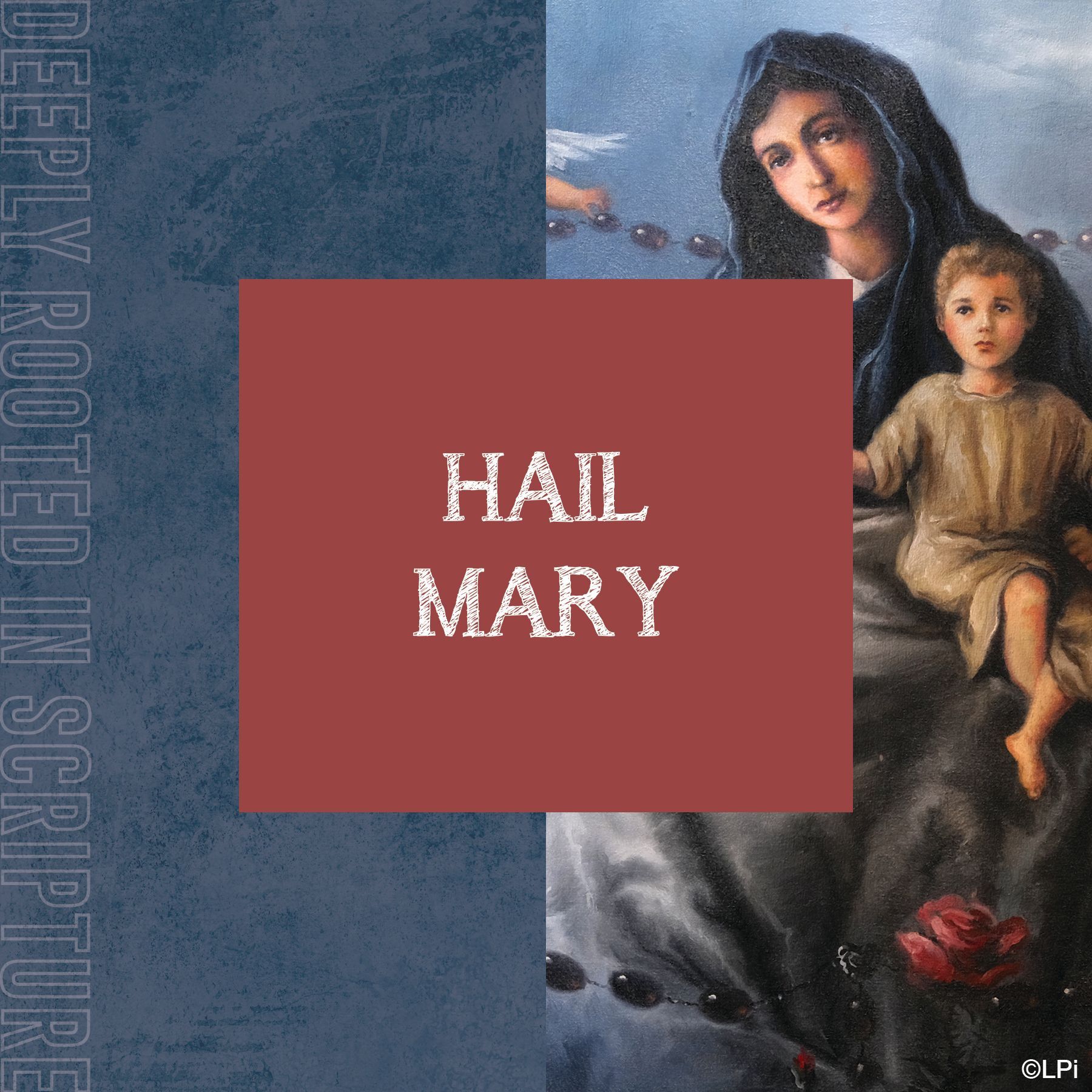
Our Lady of Perpetual Help
Mini Explanation
Our Lady of Perpetual Help is both a title of the Blessed Mother as well as a corresponding icon that dates to the late Middle Ages, both of which present Mary as a source of strength and comfort for Christ and his followers.
Our Lady of Perpetual Help, Explained
Our Lady of Perpetual Help refers both to a title conferred upon the Blessed Mother as well as to a corresponding icon that dates to the late Middle Ages.
Painted on wood, the original icon has a Byzantine style and depicts the Blessed Mother holding the Christ Child. She is flanked by St. Michael and St. Gabriel, who hold the instruments of Christ’s passion, including a spear, nails and the Crown of Thorns. In the image, Christ seemingly leans into his mother’s embrace for comfort and strength as he contemplates these objects.
The icon is thought to have originated in Crete, but for 300 years was venerated in the Church of San Matteo in Merulana in Rome. Blessed Pope Pius IX entrusted the image to the Order of Redemptorists, who moved it to the Church of St. Alphonsus. He later established the Feast of Our Lady of Perpetual Help on June 27.
May 24, 2026,
Virtues, Explained!
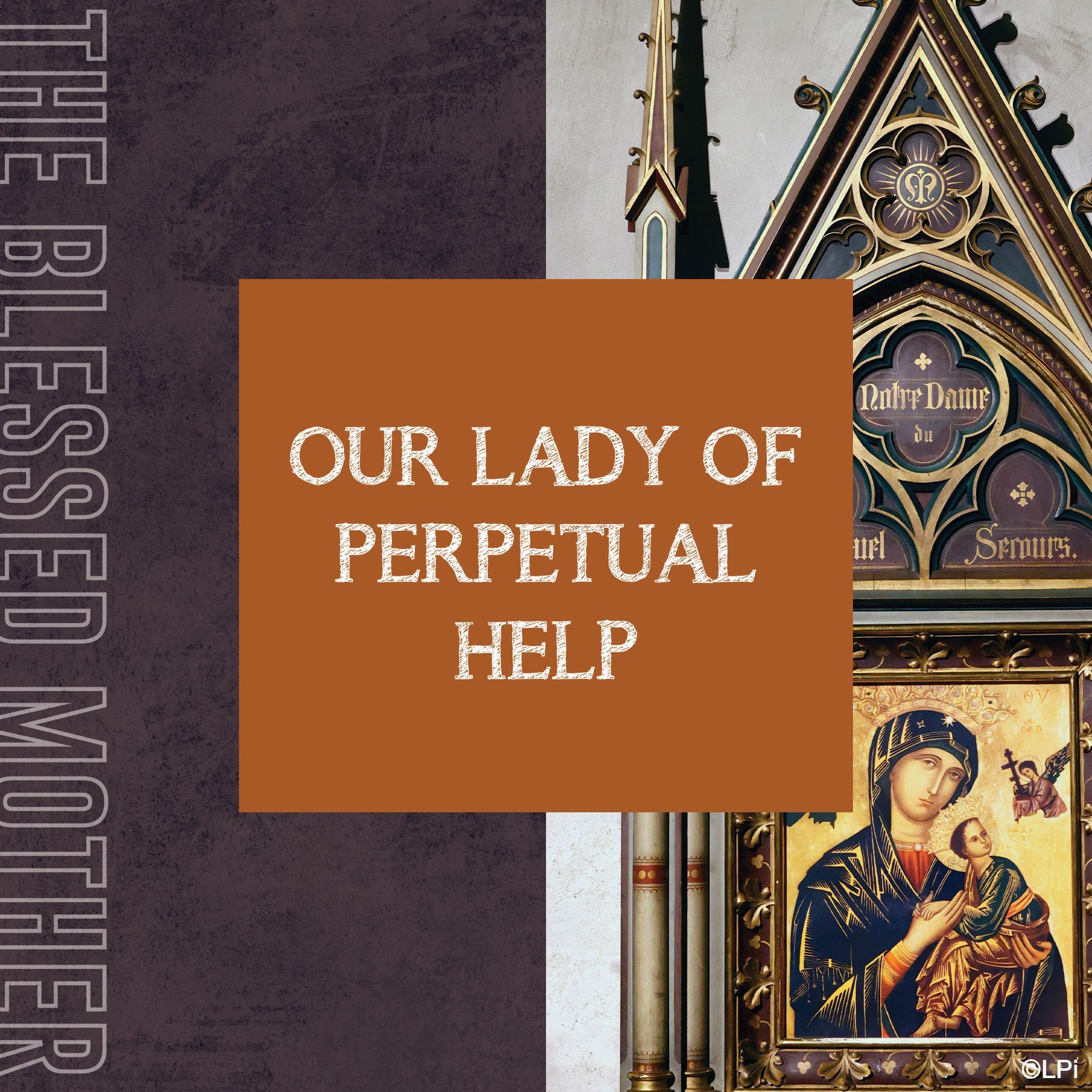
Piety
Mini Explanation
“Piety denotes the reverence which we give to our faith and to our country,” writes St. Thomas Aquinas. “And since God is the Father of all, the worship of God is also called piety.”
Piety, Explained!
Piety is one of the seven gifts of the Holy Spirit and is related to the virtue of justice.
St. Thomas Aquinas writes, “Piety denotes the reverence which we give to our faith and to our country. And since God is the Father of all, the worship of God is also called piety…therefore the gift whereby a man, through reverence for God, works good to all, is fittingly called piety.” (Sum., II:II, 68, Art. 4)
The virtue of piety, which can be understood most easily as giving due reverence to God, should not be confused with “popular piety,” which refers to external expressions of devotion that are unique to specific places and environments. The virtue of piety describes a person’s fulfillment of their duty to God and the precepts of the Church; popular piety describes other practices that enliven their desire to fulfill that duty.
May 17, 2026,
Devotions, Explained!
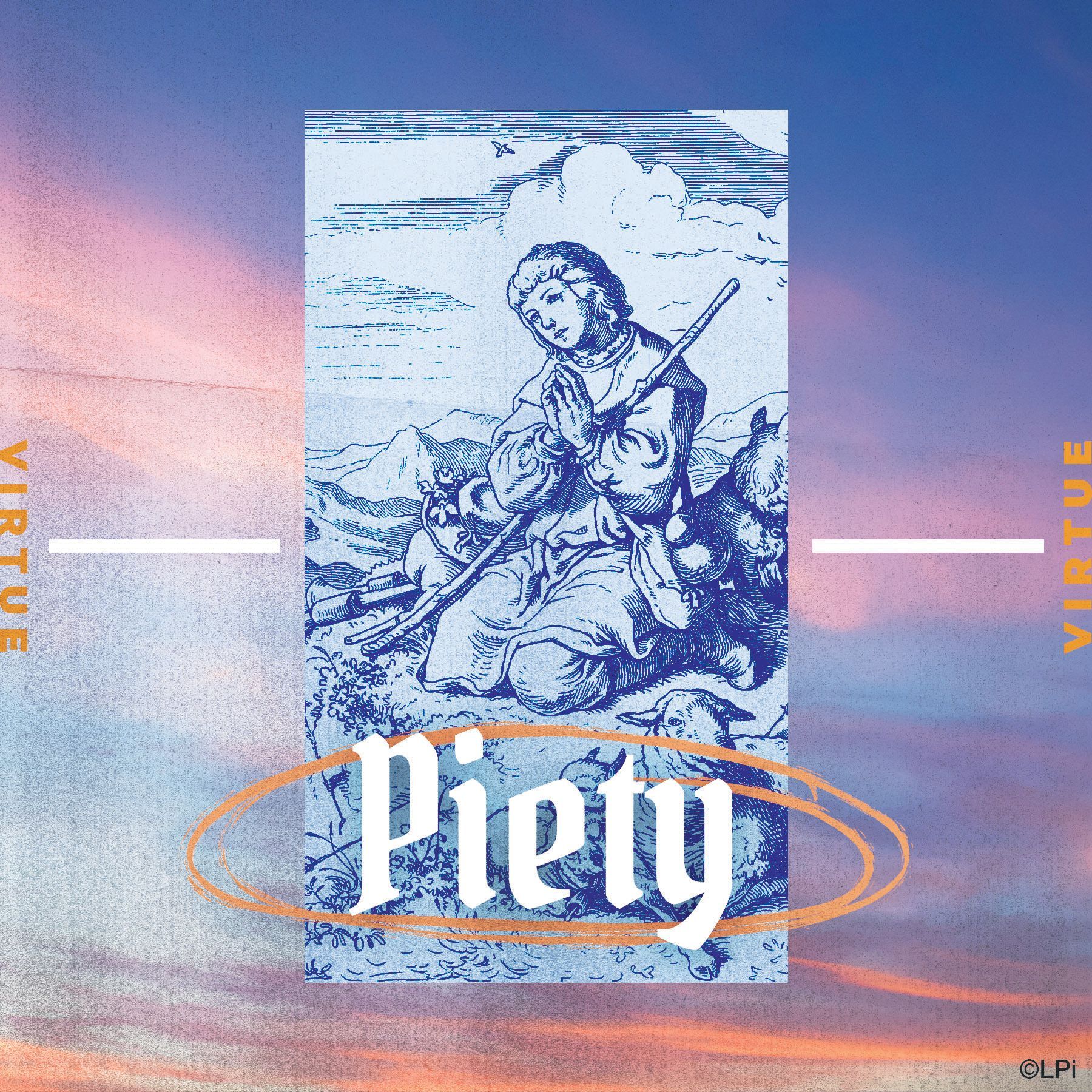
Hail Mary
Mini Explanation
The words of the Hail Mary — undoubtedly the most recognizable Catholic prayer after the Lord’s Prayer — are deeply rooted in scripture, but Catholics did not begin to utilize the Hail Mary prayer in its current form until around the 11th century.
Hail Mary, Explained
The words of the Hail Mary — undoubtedly the most recognizable Catholic prayer after the Lord’s Prayer — are deeply rooted in scripture. The opening lines of the prayer are taken from the words of the angel Gabriel at the Annunciation — “Hail Mary, full of grace, the Lord is with thee.” This line is known as the Angelic Salutation. The following words — “Blessed art thou among women, and blessed is the fruit of your womb, Jesus” — echo the sentiments expressed by Elizabeth at the Visitation.
The Angelic Salutation is regarded as the earliest devotional prayer to Mary, since it forms the very first words spoken to her as the Mother of God, but Catholics did not begin to utilize the Hail Mary prayer in its current form until around the 11th century.
An in-depth explanation of each line of this prayer is provided in the Catechism of the Catholic Church, 2676-2677
May 17, 2026,
Virtues, Explained!
Loyalty
Mini Explanation
The virtue of loyalty is closely linked to the virtue of obedience, wherein we freely submit ourselves to rightful authority. We are called to be loyal to our bishops, to Scripture and Tradition, to the teaching authority of the Church, and to the Christian way of life.
Loyalty, Explained!
Pope Paul VI, in Ecclesia Suam, considered “loyalty, perseverance and self-sacrifice” to be the distinguishing marks of a Christian in a modern world that increasingly embraces relativism.
“The follower of Christ is not pliant and cowardly, but loyal and strong,” he wrote.
The virtue of loyalty is closely linked to the virtue of obedience, wherein we freely submit ourselves to rightful authority. As Catholics, we are called to be loyal to our bishops, to Scripture and Tradition, to the teaching authority of the Church (the Magisterium), and to the Christian way of life.
Loyalty is distinct from admiration for a person or institution, and even from respect. Admiration and respect can be rightfully earned and rightfully lost. Virtuous loyalty does not swerve from its object, and it flows forth from the one who gives it.

May 10, 2026,
Devotions, Explained!
Sprinkling Rite
Mini Explanation
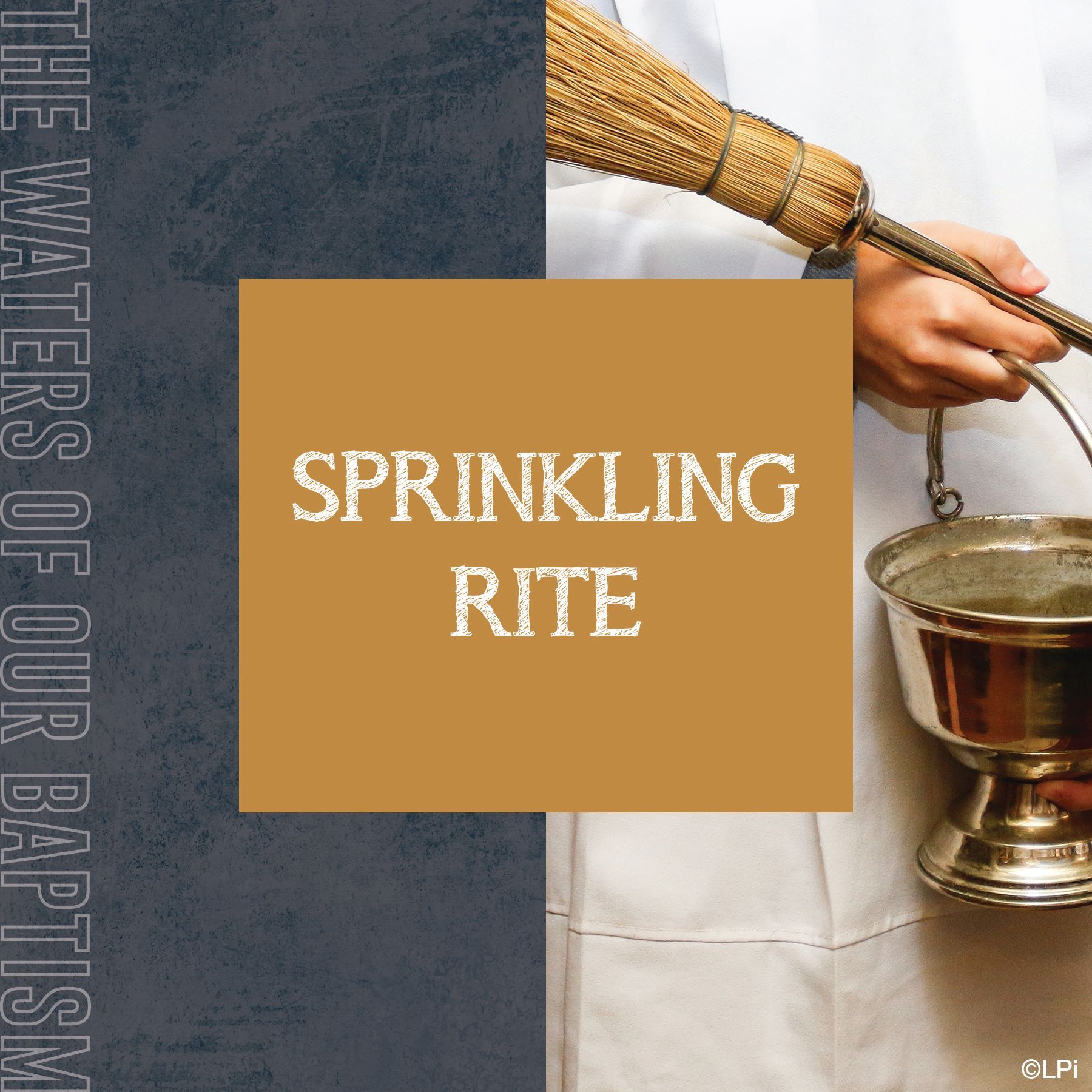
The rite of sprinkling, also called the Asperges rite, recalls the new life we receive in the waters of our baptism. Though most common during the Easter season, this rite can take place on any Sunday and is used in place of the penitential act.
Sprinkling Rite, Explained
The rite of sprinkling, also called the Asperges rite, describes the act of sprinkling the congregation with holy water, an action which recalls the new life we received in the waters of our baptism.
If this rite is performed during Mass, it takes the place of the penitential act.
The sprinkling rite usually takes place on Sundays during the Easter season but is permitted on any Sunday. When it is completed, the congregation sings the Gloria.
The name “asperges” comes from the first line of Psalm 51, a penitential psalm that begins with the words “Have mercy on me.” In the Extraordinary Form of the Mass, the Asperges rite is done before each principal Mass, except on Palm Sunday.
The tool used by the priest to sprinkle the congregation is called the aspergillum, and the bucket containing the water is called the aspersorium.
May 10, 2026,
Virtues, Explained!
Courage
Mini Explanation
The virtue of courage is intimately linked with that of fortitude — roughly understood as courage in action — and is shown by the person who makes a choice to place his trust in God, not in circumstance.
Courage, Explained!
In the Roman Rite, bishops extend their hands over confirmandi, praying that they will be given “a spirit of right judgment and courage.”
This invocation echoes countless passages of sacred Scripture extolling the virtue of courage. “Be strong and courageous in your hearts, all you who place your hope in the Lord,” says Psalm 31:25. “I have given you a command. Be strong and brave, do not be afraid nor dismayed. I, the Lord, your God, will be with you wherever you go,” the Lord says in Joshua 1:9. Courage is also a frequent watchword of Christ: “Take courage! I have overcome the world.” (John 16:33)
The virtue of courage is intimately linked with that of fortitude — roughly understood as courage in action — and is shown by the person who makes a choice to place his trust in God, not in circumstance.

May 3, 2026,
Devotions, Explained!
Seven Sorrows of Mary
Mini Explanation
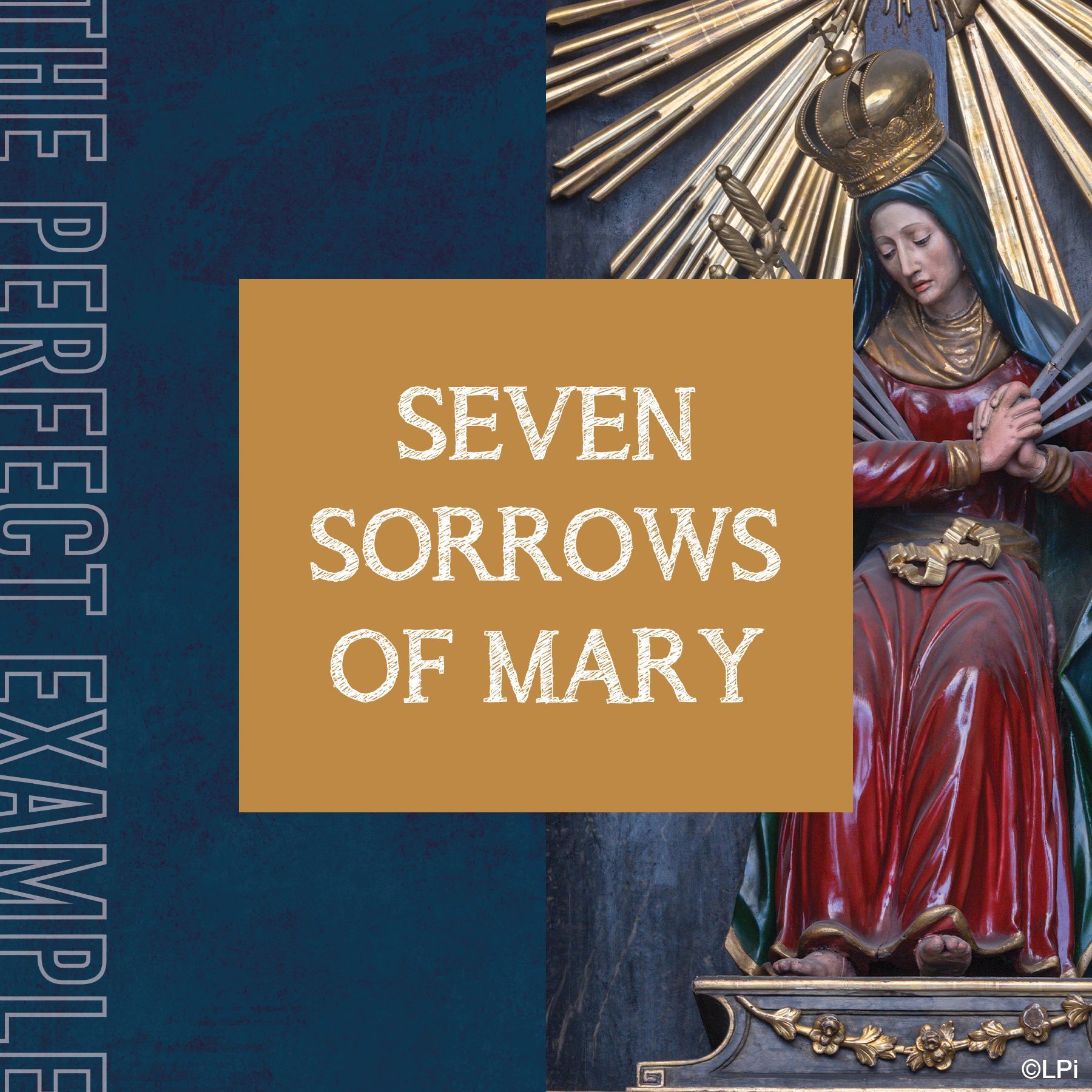
The Seven Sorrows of Mary helps us to unite our own sufferings with those of Jesus, following Mary’s perfect example, as we meditate upon the great sufferings endured by Our Lord and his Blessed Mother.
Seven Sorrows of Mary, Explained
The Seven Sorrows of Mary refer to seven key events in the lives of Jesus and Mary: the prophecy of Simeon, the flight into Egypt, the loss of the Child Jesus in Jerusalem, the meeting of Jesus and Mary as he carried his cross to Calvary, the Crucifixion and death of Jesus, the removal of the Body of Christ from the cross, and the burial of Jesus.
These events illustrate the great suffering endured by Our Lord and his Blessed Mother, and remind Christians to unite our own sufferings with those of Jesus, following Mary’s perfect example.
Devotion to the sorrows of Mary dates to the early centuries of Christianity, with such proponents as St. Ephrem, St. Alphonsus Liguori and St. Bridget of Sweden.
The Seven Sorrows devotion can take the form of seven Hail Marys, seven Rosaries or a novena, all recited while meditating upon the individual sorrows.
May 3, 2026,
Virtues, Explained!
Diligence
Mini Explanation
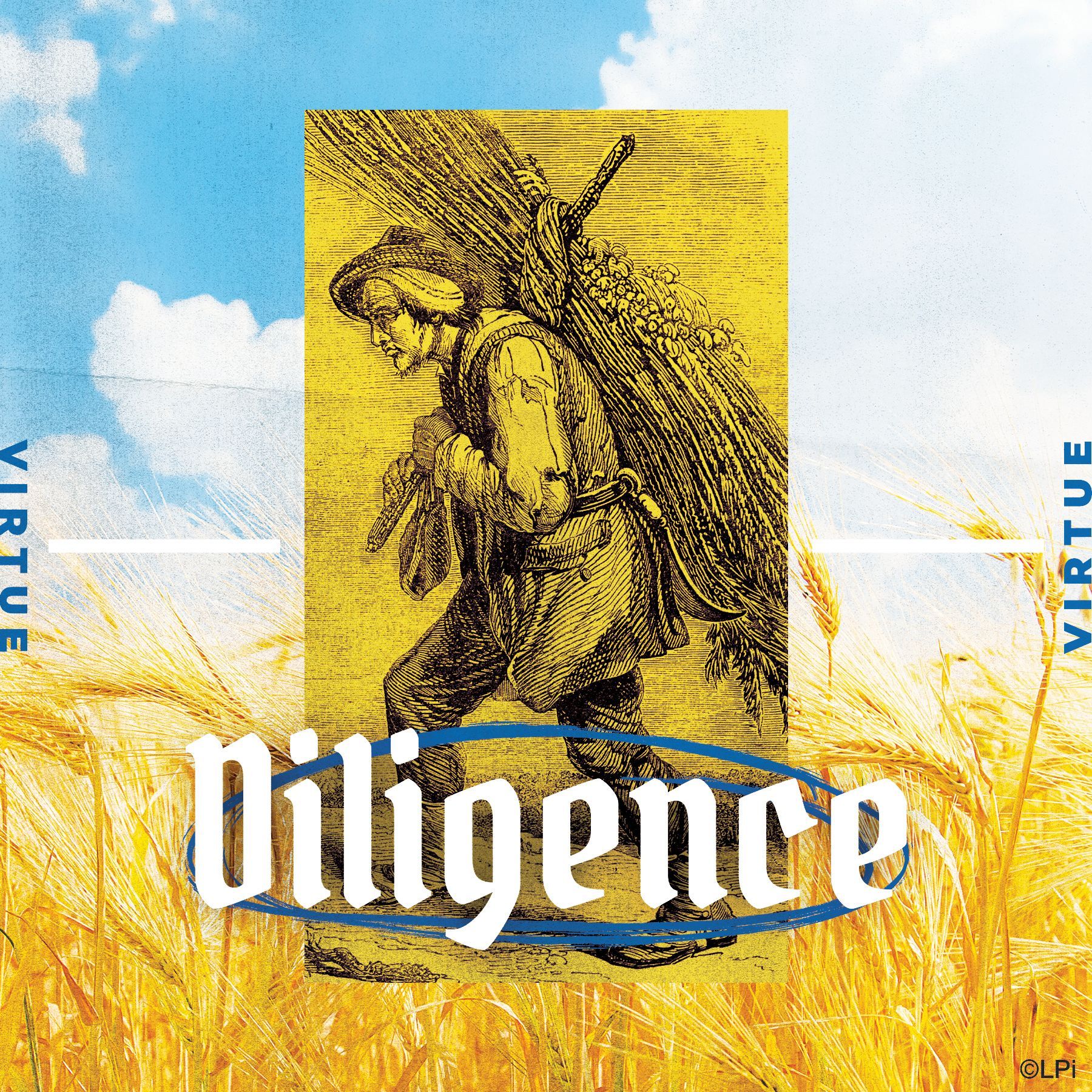
Diligence is the opposite of negligence; the diligent man pursues his goal with the same faithfulness with which God has pursued us, wayward as we are, through the long course of salvation history. It is the virtue by which man can secure for himself true happiness.
Diligence, Explained!
Diligence is the opposite of negligence; the diligent man pursues his goal with the same faithfulness with which God has pursued us, wayward as we are, through the long course of salvation history. St. Thomas Aquinas writes that “diligence, no less than solicitude, is required for every virtue.” (Sum., II:II, 54, Art. 1)
Christians are called to diligence in prayer, in self-scrutiny, in exercising virtue, in seeking God’s will, in detachment from the world and in reflecting on God’s word in Scripture: “If we are diligent in observing all of these commandments before the Lord, our God, as he commanded of us, then this will be our righteousness.” (Deuteronomy 6:25)
Diligence is made possible by the freedom of will that we have been granted by God, and it is the virtue by which man can secure for himself true happiness.
April 26, 2026,
Devotions, Explained!
Seven Churches Pilgrimage
Mini Explanation
The Seven Churches Pilgrimage is the practice of visiting seven different churches on Holy Thursday, in imitation of the journey of Christ on the eve of his crucifixion, when he asked his disciples to stay with him as he awaited his Passion and death.
Seven Churches Pilgrimage, Explained
The Seven Churches Pilgrimage is the practice of visiting seven different churches on Holy Thursday, in imitation of the journey of Christ on the eve of his crucifixion.
The devotion is thought to have originated in sixteenth-century Rome, where pilgrims — likely led by St. Philip Neri — would visit the seven major basilicas there: St. Peter’s in the Vatican, St. John Lateran, St. Paul Outside the Walls, St. Mary Major, St. Sebastian Outside the Walls, St. Lawrence Outside the Walls and Santa Croce in Gerusalemme.
Pilgrims undertaking this journey anywhere in the world can visit any seven churches while adoring Christ in the Blessed Sacrament upon the Altar of Repose, fulfilling his request of his disciples to stay with him as he awaited his Passion. There are specific Scripture passages that pilgrims can meditate upon at each altar.
April 26, 2026,
Virtues, Explained!
Humility
Mini Explanation
True humility does not require us to ignore, underestimate, or hide our gifts — it merely demands that we use these gifts rightly, with the knowledge that they are from our Creator and meant for His glory, not our own.
Humility, Explained!
“If anyone wishes to be first,” Christ told the Apostles in the Gospel of Mark, “he must become the last of all and the servant of all.” (Mark 9:35).
True humility does not require us to ignore, underestimate or hide our gifts — it merely demands that we use these gifts rightly, with the knowledge that they are from our Creator and meant for His glory, not our own. “Man is a beggar before God,” said St. Augustine.
The Blessed Mother is the perfect model of this, and her Magnificat (Luke 1:46-55) is a blueprint for a life lived in joyful humility.
Humility, says the Catechism, is also the key to a fruitful prayer life: “Humility is the foundation of prayer. Only when we humbly acknowledge that ‘we do not know how to pray as we ought,’ are we ready to receive freely the gift of prayer.” (CCC 2559)

April 19, 2026,
Devotions, Explained!
The Rosary
Mini Explanation
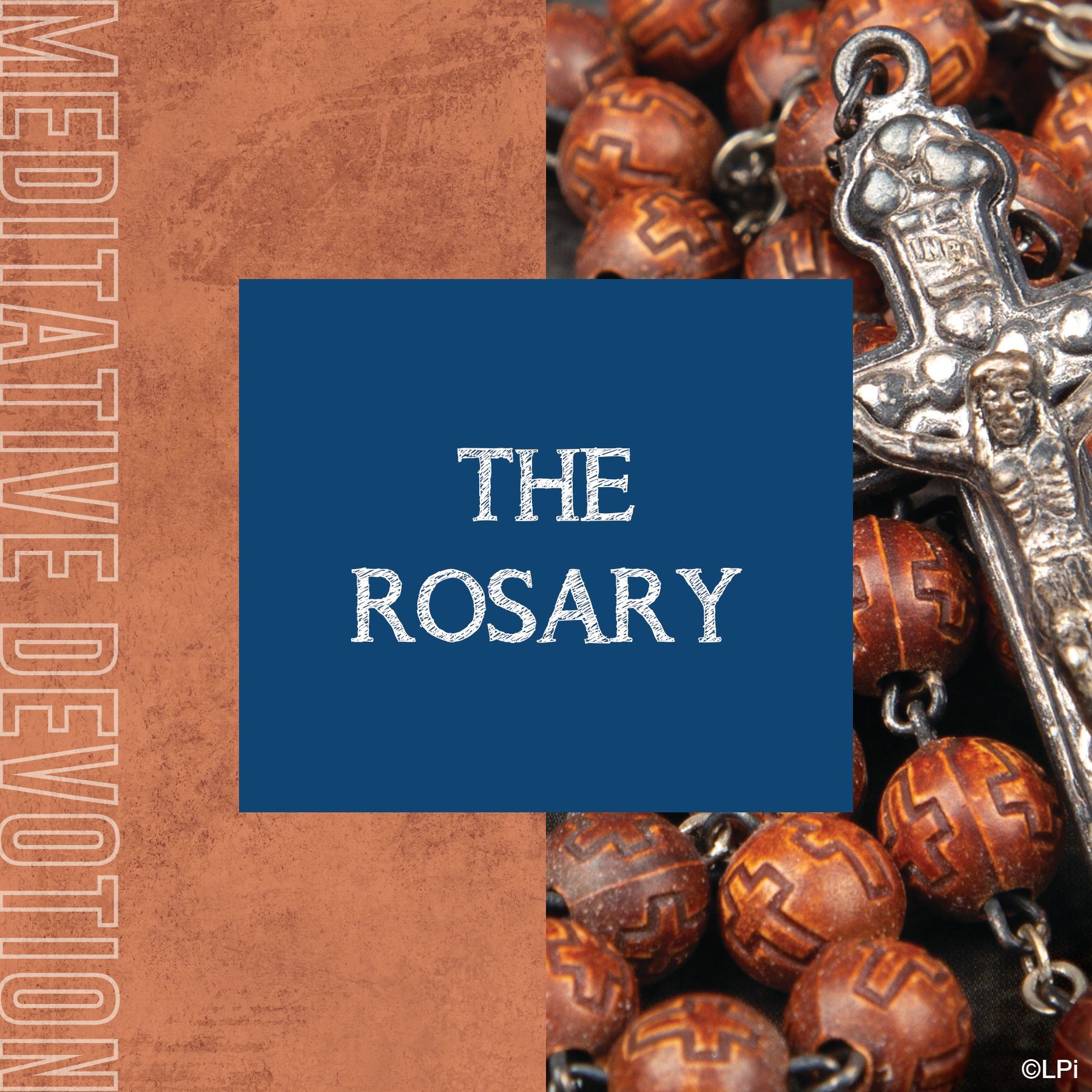
Christians have used beads to mark the recitation of prayers since ancient times, but in the 12th century, the Rosary emerged as a meditative devotion centering on significant moments in the lives of Jesus and Mary.
The Rosary, Explained
Christians have used beads to mark the recitation of prayers since ancient times. In the 12th century, the Rosary emerged as a meditative devotion centering on significant moments in the lives of Jesus and Mary. In the words of St. Leo XIII, “there is no more excellent way of praying.”
The Rosary is traditionally attributed to a Marian vision received by St. Dominic de Guzman (1170-1221). Though scholarship on this point is uncertain, the Dominican Order was undoubtedly crucial in establishing and evangelizing the Rosary as a devotional prayer.
Over the centuries, the formula of the devotion eventually took the shape of 50 Hail Marys divided into five “decades,” with each decade focused on a different mystery. The Church has defined the Joyful Mysteries (to be recited on Saturdays and Mondays), the Glorious Mysteries (Sundays and Wednesdays), the Sorrowful Mysteries (Tuesdays and Fridays), and most recently the Luminous Mysteries (to be recited on Thursdays
April 19, 2026,
Virtues, Explained!
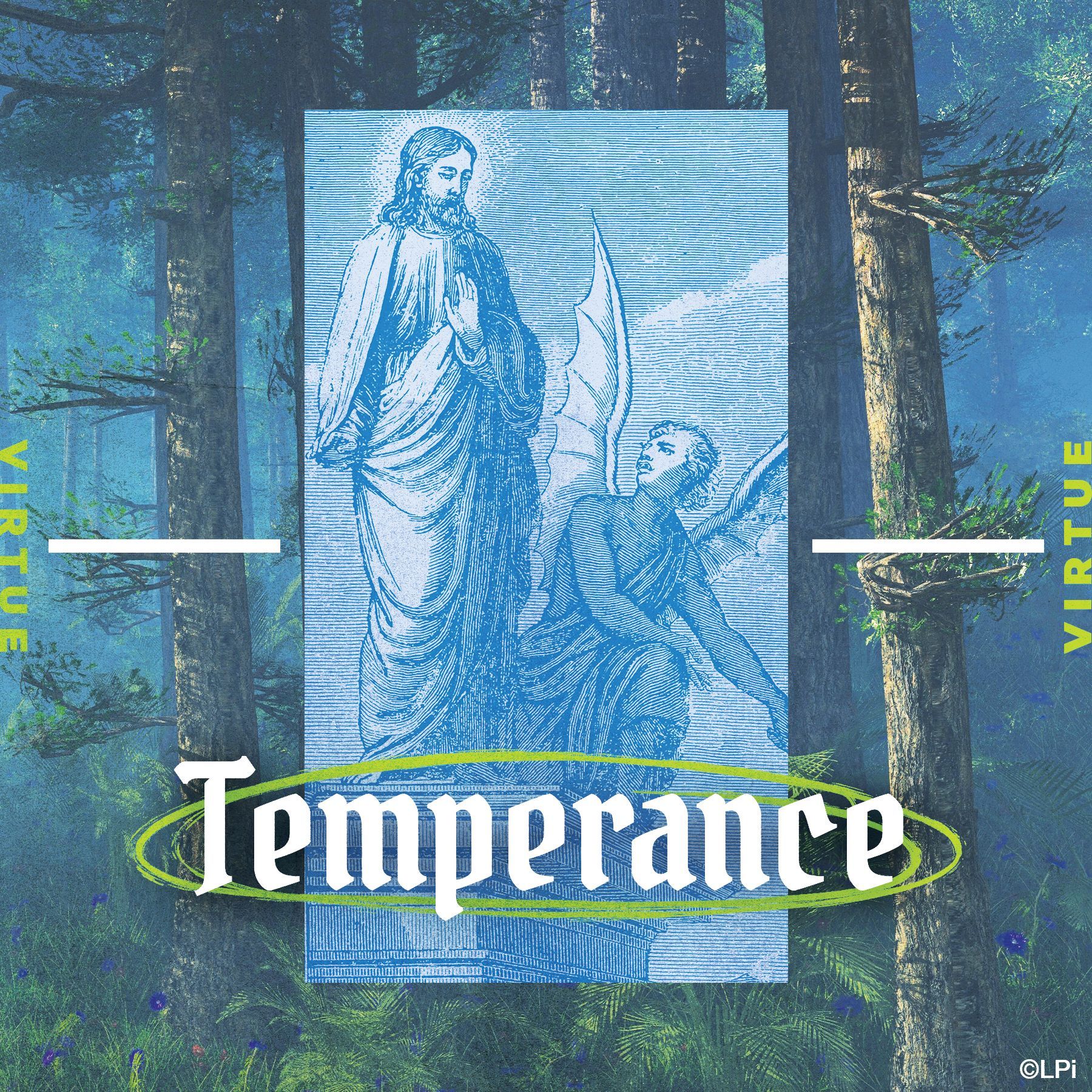
Temperance
Mini Explanation
This cardinal virtue of temperance is shown in the person who is master of his passions and his attachment to the world. “It ensures the will's mastery over instincts and keeps desires within the limits of what is honorable,” we read in the Catechism.
Temperance, Explained!
“For the grace of God has appeared bringing salvation to the entire human race…(teaching) us to reject godless ways and worldly desires,” reads Titus 2:11-12, “and in the present age to lead lives that are temperate, just and godly.”
This cardinal virtue of temperance is shown in the person who is master of his passions and his attachment to the world. “It ensures the will's mastery over instincts and keeps desires within the limits of what is honorable,” we read in the Catechism (CCC 1809).
Temperance is not repression of feeling; it is an exercise of the will, a careful and calculated choice. In this way, temperance actually safeguards virtuous love, keeping it “whole and uncorrupted,” said St. Augustine. The practice of temperance is intimately linked to the virtue of chastity, which “protects the intimate center of the person…refusing to unveil what should remain hidden” (CCC 2521).
April 12, 2026, Divine Mercy Sunday
Devotions, Explained!
Retreat
Mini Explanation
Spiritual retreats are an act of removing oneself from daily life for a period of prayer and reflection, with the intent of returning transformed. There are many kinds of retreats, but all share a common purpose: communion with God.
Retreat, Explained
Spiritual retreats are an act of removing oneself from one’s daily life for a period of prayer and reflection, with the intent of returning to that daily life transformed.
It was Christ himself who was the greatest and earliest advocate of spiritual retreat. In the Gospels, he is constantly depicted as withdrawing from other people to be alone in prayer. Likewise, participants in a modern retreat most often go somewhere like a retreat center to seek silence, solitude and communion with God. There are many different varieties of retreats; they can be guided and take place in a group setting, or they can be undertaken alone by just one person. Some are focused on a specific topic or theme; some are defined by periods of total silence. Though clerics are compelled by canon law to go on retreat regularly, all faithful are encouraged to make retreat part of their spiritual life

April 12, 2026, Divine Mercy Sunday
Virtues, Explained!
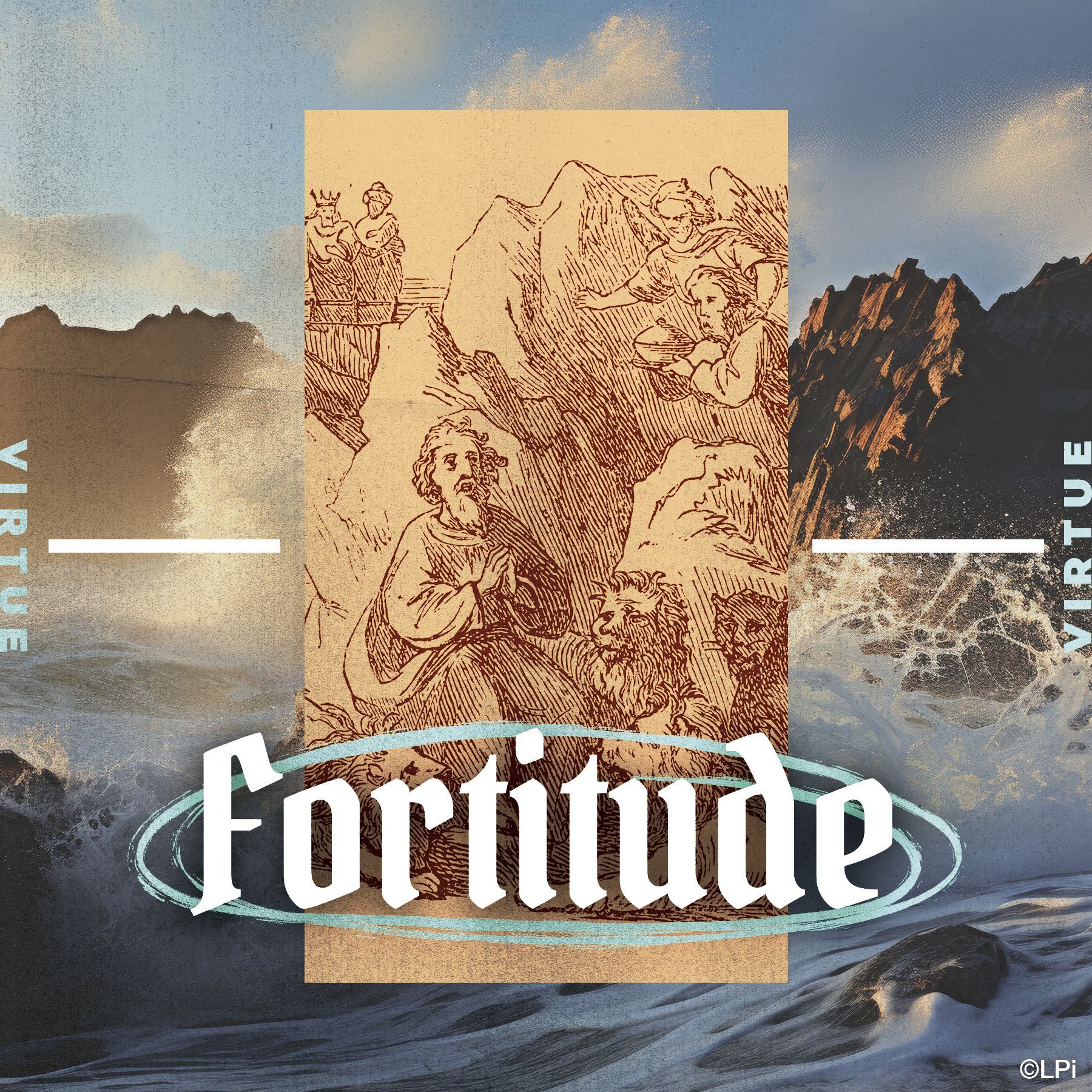
Fortitude
Mini Explanation
The virtue of fortitude actually requires, first and foremost, the feeling of fear. In order to grow in fortitude, one must face a thing which frightens him, doing so specifically in pursuit of the good.
Fortitude, Explained!
“When you go out to war against your enemies and you see horses and chariots and an army greater than your own, you shall not be afraid of them,” we read in Deuteronomy 20:1. “For the Lord, your God…will be with you.”
The virtue of fortitude actually requires, first and foremost, the feeling of fear. In order to grow in fortitude, one must face a thing which frightens him; in that way, it is distinct from patience and perseverance. Christ shows perfect fortitude as he endures his Passion and death, of which he was indeed afraid; it is likewise shown by martyrs. But fortitude doesn’t require a cinematic battle. Fortitude can be shown by someone who is afraid of losing his job or of being in bodily danger simply for adhering to the laws of God. What is important is that the courage shown is in pursuit of the good, not just bearing with an attack.
April 5, 2026 Easter Sunday
Devotions, Explained!
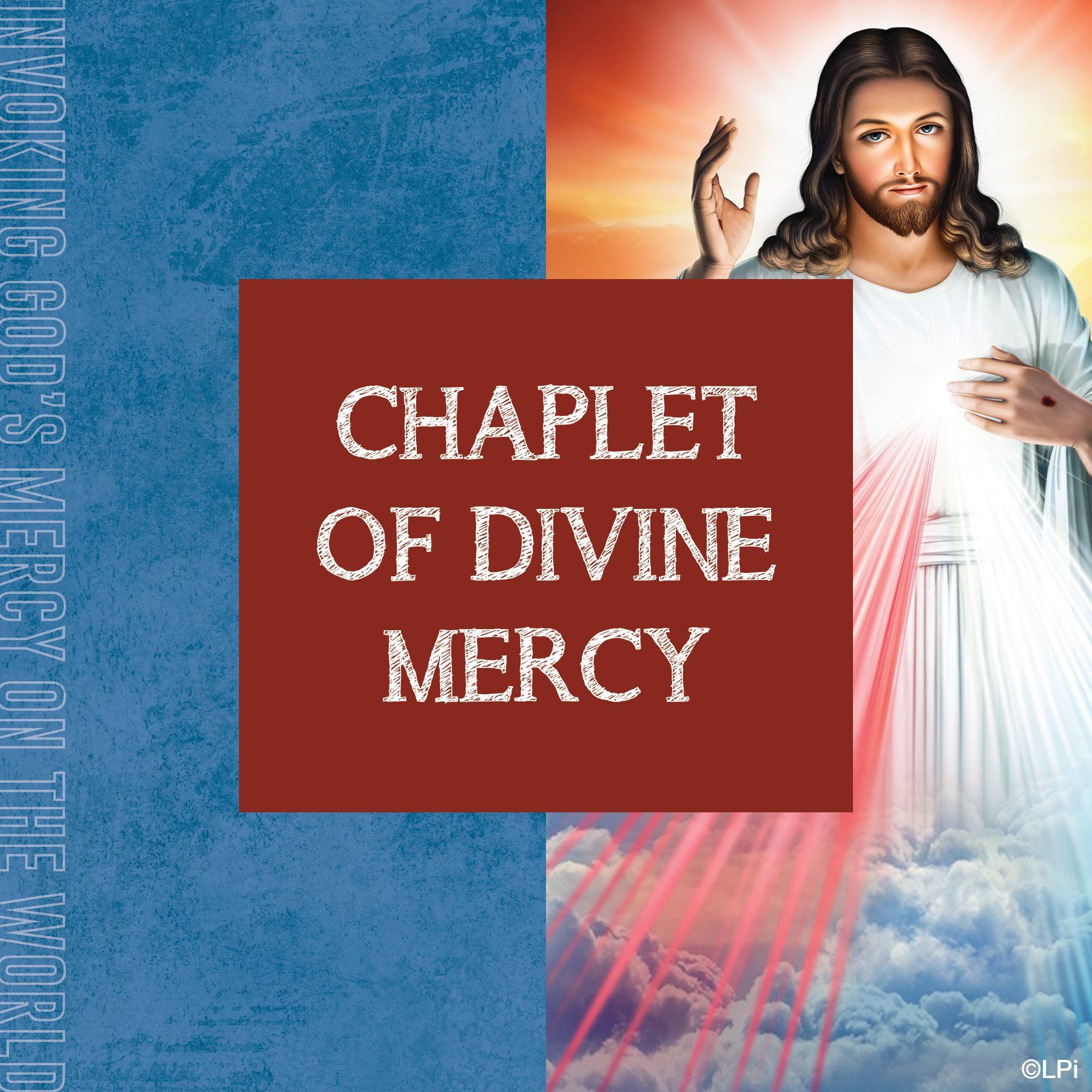
Chaplet of Divine Mercy
Mini Explanation
Prayed with an ordinary five-decade Rosary, the Chaplet of Divine Mercy is an intercessory prayer invoking God’s mercy on the world, utilizing words drawn from the text of The Diary of St. Faustina Maria Kowalska.
Chaplet of Divine Mercy, Explained
The Chaplet of Divine Mercy is an intercessory prayer invoking God’s mercy on the world, utilizing words drawn from the text of The Diary of St. Faustina Maria Kowalska. St. Faustina was a Polish nun who received visions of Christ imploring her to spread the message of his Divine Mercy, specifically through the recitation of this chaplet.
The Chaplet of Divine Mercy is prayed using an ordinary five-decade Rosary. To begin, make the Sign of the Cross, then pray one Our Father, one Hail Mary, and the Apostles’ Creed. On each of the large beads (where the Our Father is said), pray: “Eternal Father, I offer You the Body and Blood, Soul and Divinity of Your dearly beloved Son, Our Lord Jesus Christ, in atonement for our sins and those of the whole world.” On each of the 10 smaller beads (used for the Hail Mary), pray: “For the sake of His sorrowful Passion, have mercy on us and on the whole world.” This pattern is repeated for all five decades of the Rosary. To conclude the chaplet, pray three times: “Holy God, Holy Mighty One, Holy Immortal One, have mercy on us and on the whole world.”
April 5, Easter Sunday
Virtues, Explained!
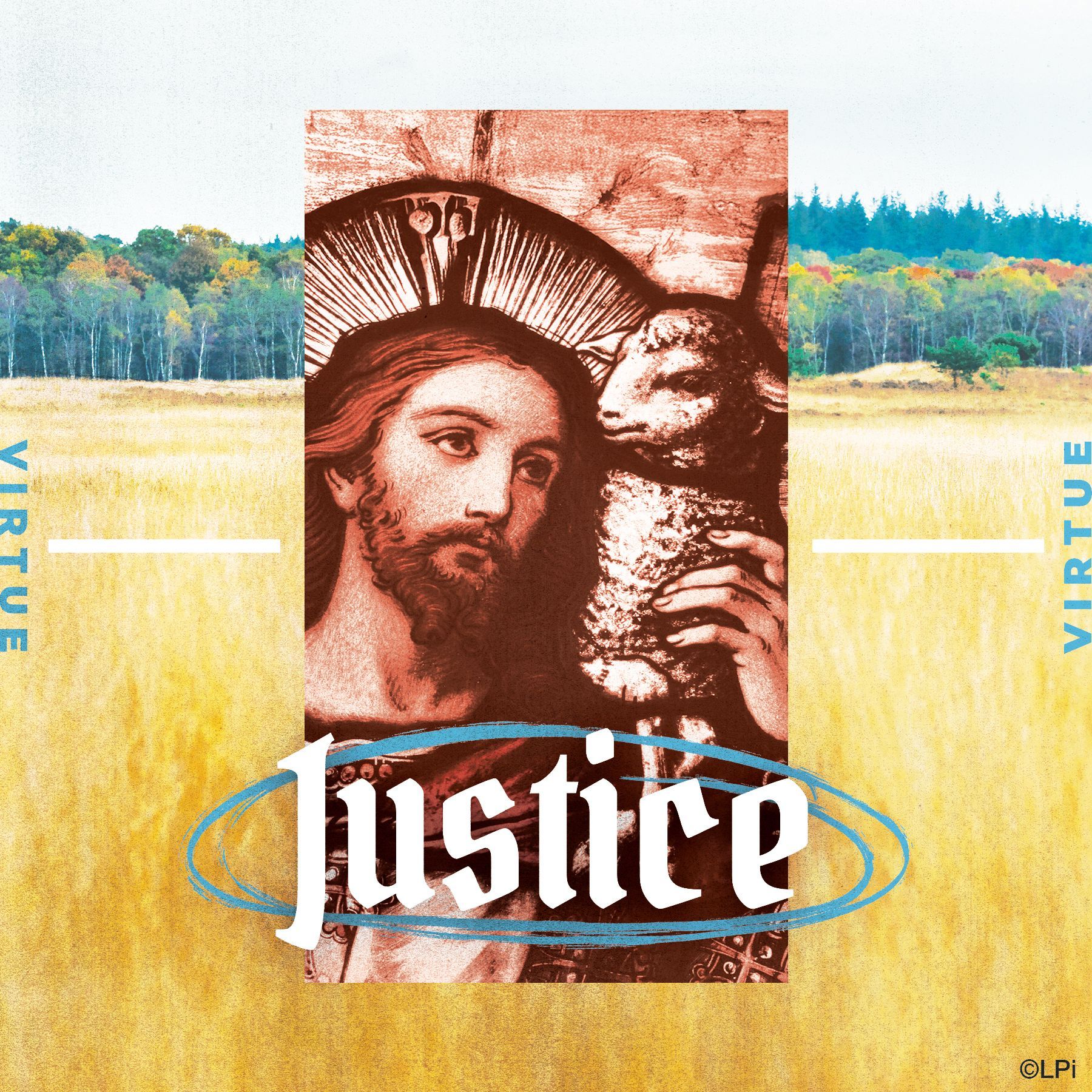
Justice
Mini Explanation
The cardinal virtue of justice has to do with the fulfillment of our duty to one another and to God. It gives us a framework for existing in the world alongside one another, in reverence with our respective rights, property, and obligations.
Justice, Explained!
“Original justice” is what the Catechism calls the state of harmony that existed between God, mankind and all creation (CCC 376) before the fall. Though original justice perished when sin entered the world, our souls still bear its memory, and we are oriented toward this virtue like a flower is oriented to the light of the sun: “Blessed are those who hunger and thirst for justice, for they will have their fill.” (Matthew 5:6)
The cardinal virtue of justice has to do with the fulfillment of our duty to one another and to God (religion is the justice we owe to our Creator). Justice gives us a framework for existing in the Justice is made possible by the virtue of charity (CCC 1825) because justice demands what is right for all, not just for one.